|
Allied Foam Tech Corporation (since 1994) FOR OVER 30 YEARS ALLIED HAS BEEN PROVIDING TO CLIENTS WITH THE HIGHEST PERFORMING AQUEOUS FOAM SOLUTIONS & TECHNOLOGIES IN THE INDUSTRY |
|
|




| FOAM CEMENT AND FOAM CONCRETE APPLICATIONS | ||||
|
|
||||
 |
 |
 |
 |
|
 |
 |
 |
 |
|
 |
 |
 |
 |
|

| December, 2025 |
|
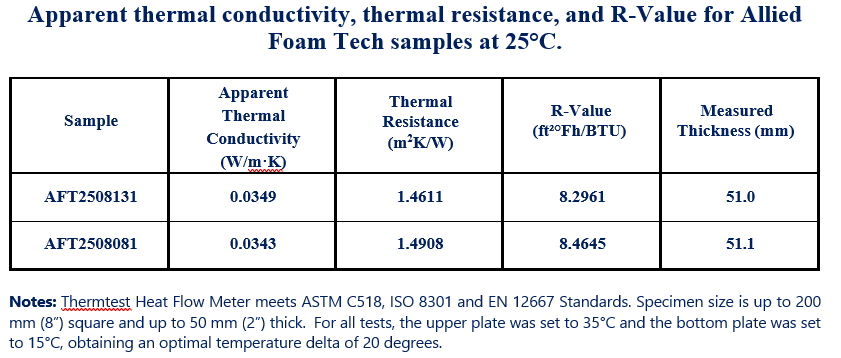
The First Foam Cement Reached R Value 4.21 per Inch (Thermal Conductivity 0.0343 W/m-K) at 25oC per ASTM-C 518* |
| Allied Developed the world's First Non-flammable Foam Structure with R value as the Flammable EPS or PU Foams |
|
* Unlike some organic foams showing
reduced R values at low temperatures, the Allied Foam Cement R value increased to 4.6 per Inch at -10oC. |
| (cast-in-place, precast with conventional cement/concrete mixing and pumping equipments) |
| 2024 |
| Fire Barrier Foam Cement Enhances Fire Resistance in Structures |
| Allied Developed the Best Fire Rated Foam Composites per ASTM-E119 Test |
| (highest fire barrier rating, vermiculite-free & non-hazardous) |
|
MISSION STATEMENT |
|
Performance of currently available fire rated building materials, tested under commonly used thicknesses
and densities, are
really limited or inadequate in an actual fire. |
|
Allied fire barrier foam
composites could have a chance to reduce financial losses, save lives and save the environment
during an actual fire.* |
| * confirmed recently by a major thermal testing lab. on A36 steel H beam per ASTM-E-119 test |
| FIRE HAZARD & TOXIC FUME RELEASE FROM FLAMMABLE EXTERIOR BLDG. COMPOSITES |
| (effective fire barrier composites could avoid or significantly reduce the fire advancement and toxic fume ) |
|
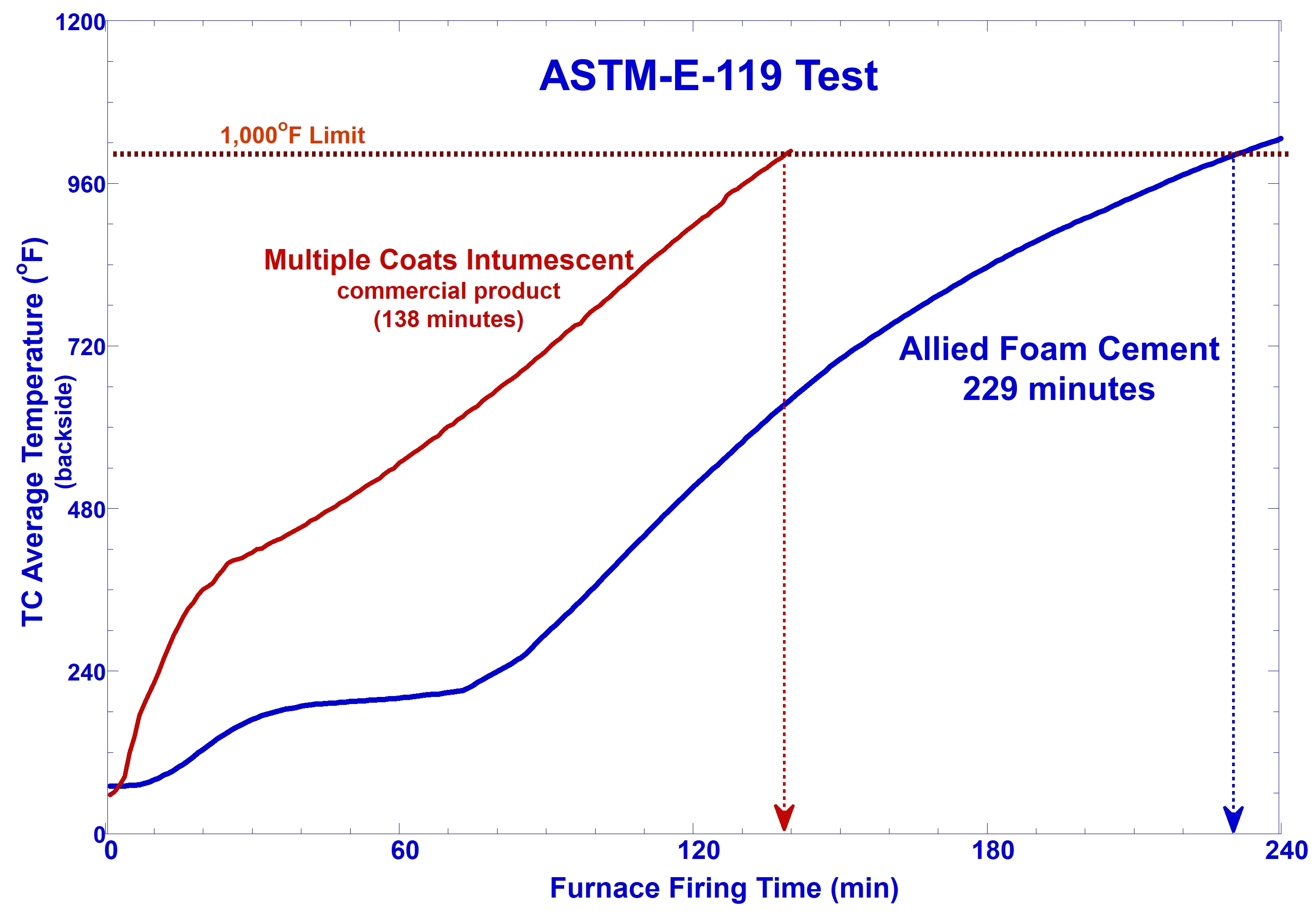
Allied fire barrier foam has twice or better fire ratings per
ASTM-E-119 Test over most fire rated intumescent coatings |
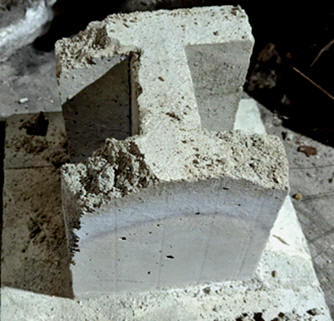
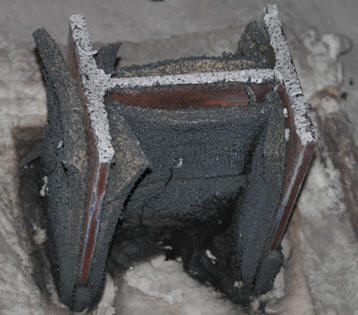
| ASTM-E-119 Tested H-Beams with Fire Rated Coatings |
 |
 |
| H
Beam with Allied Fire Barrier Foam - 4 Hours to 2,000oF |
H Beam with Intumescent Coating
- 2 Hours to 1,850oF |
|
WHY FOAM STABILITY MATTERS TO THE CEMENT, CONCRETE & BUILDING INDUSTRIES |
|
Problems associated with most of the conventional surfactant and protein based foam agents.
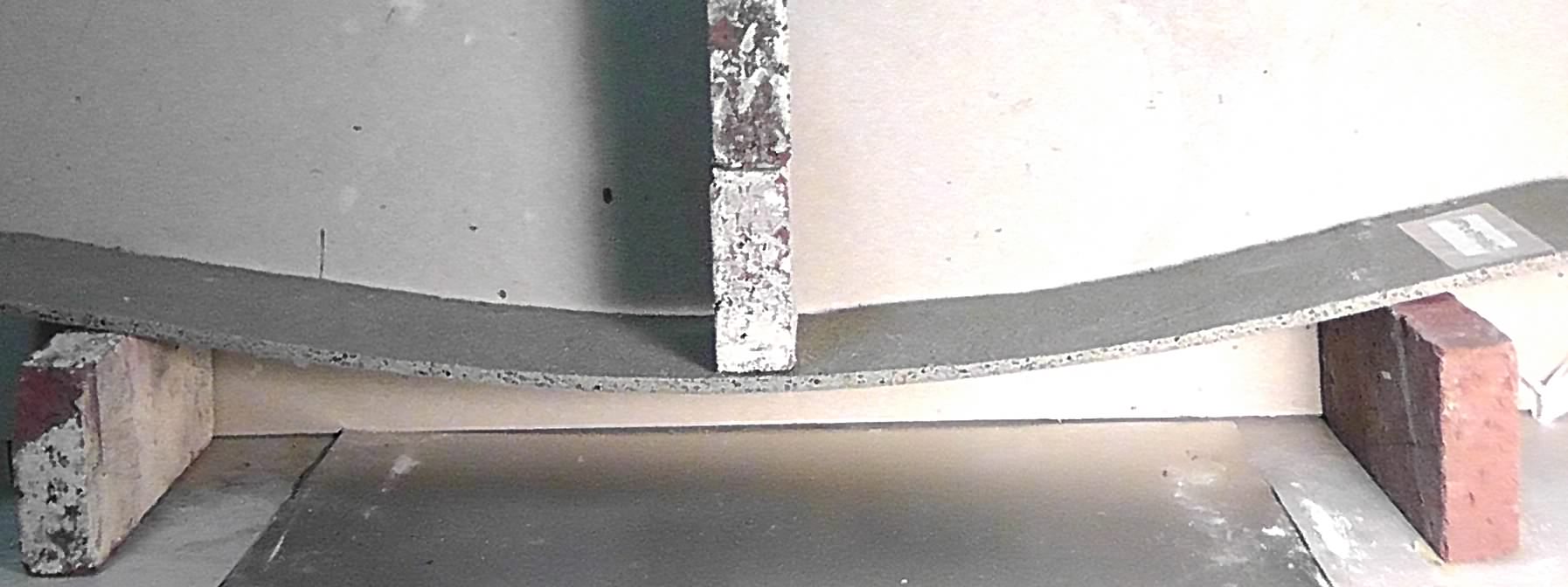
It is well-documented that protein based foam cement has serious foam collapse and compatibility problems when it is formulated into high strength cement and concrete with low water/cement ratios and superplasticizers. Such drawbacks significantly limited such foam agents for use in the high performance cement and concrete industries.
It is known that the carbon content in fly ash will adsorb most of the surfactant foam agents and causes foam collapse and reduces the air entrainment efficiency of such air entraining additives. Various equipment and deivice have to be used to monitor the increase of foam agent dosage when such problems take place in the cement and concrete slurries.
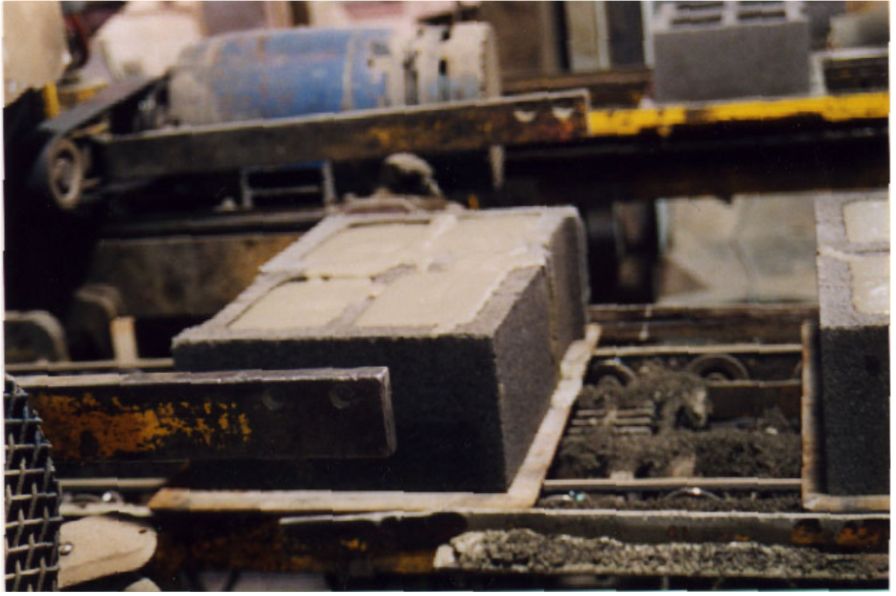
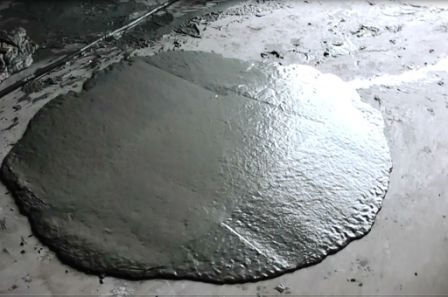
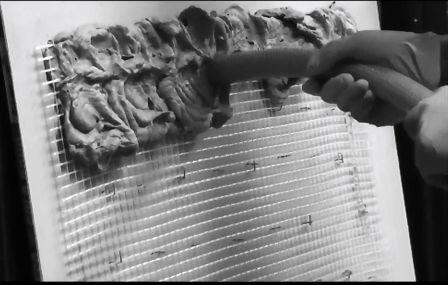
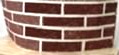
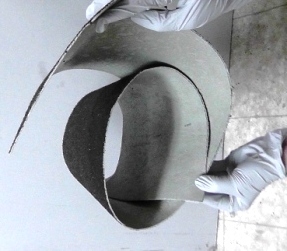
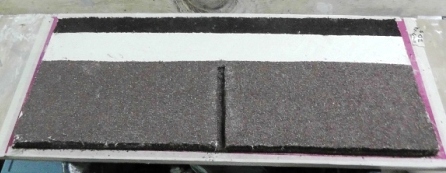
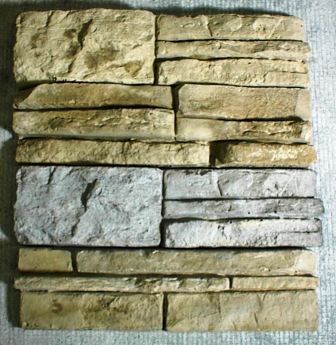
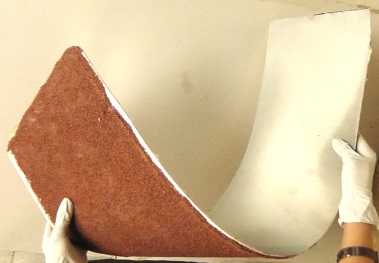
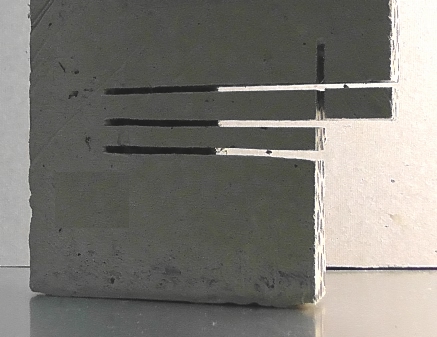
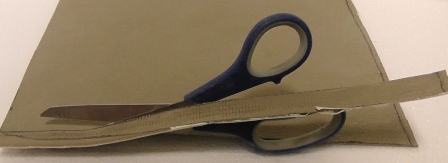
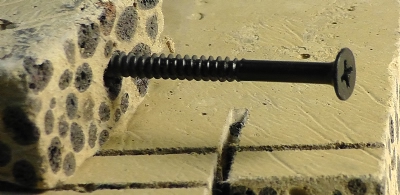
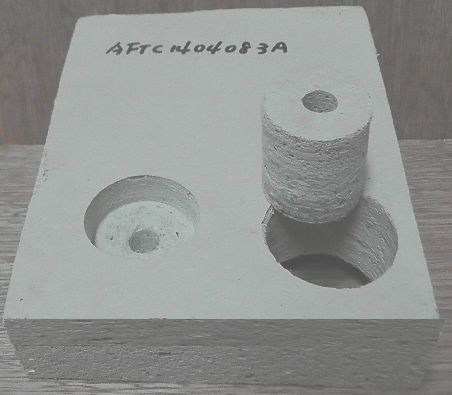
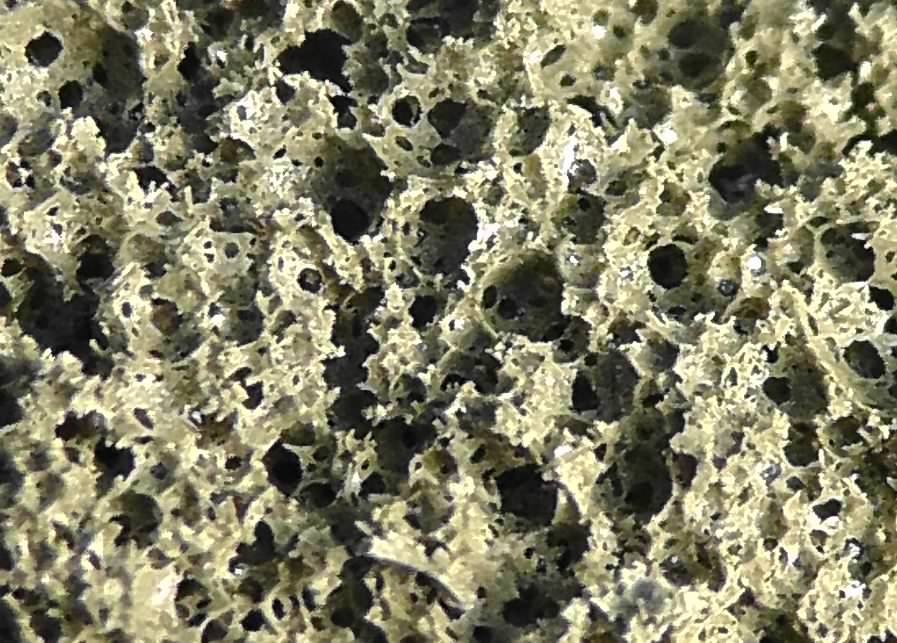
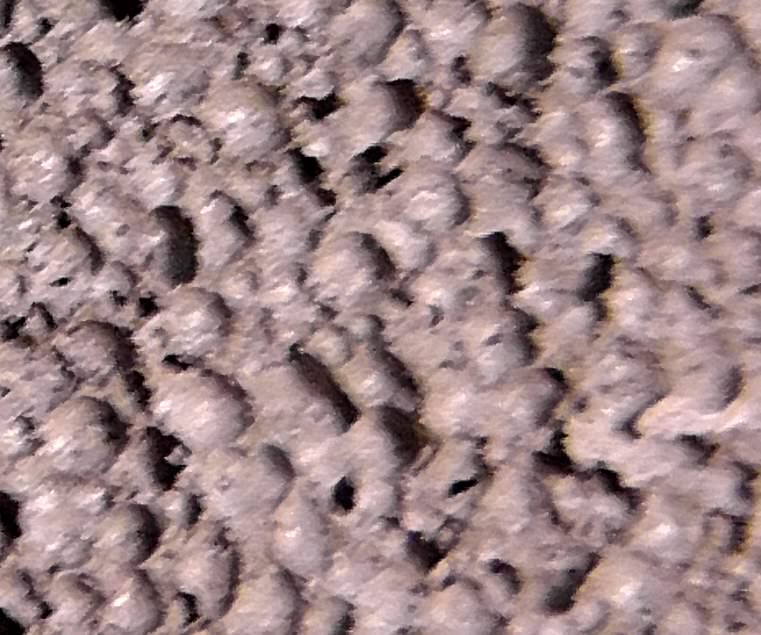
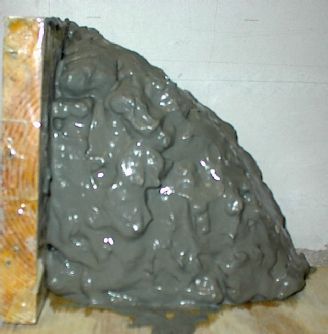
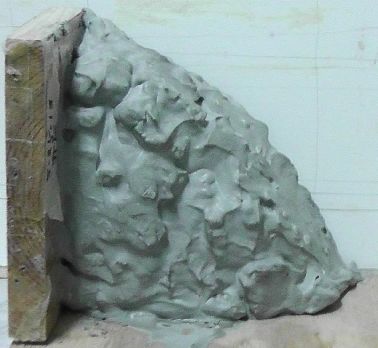
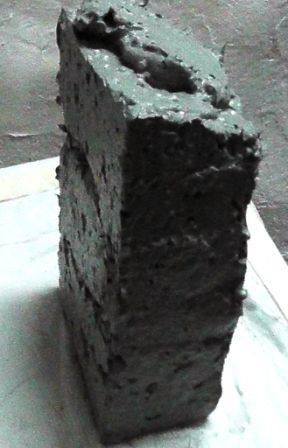
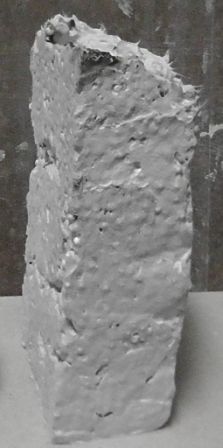
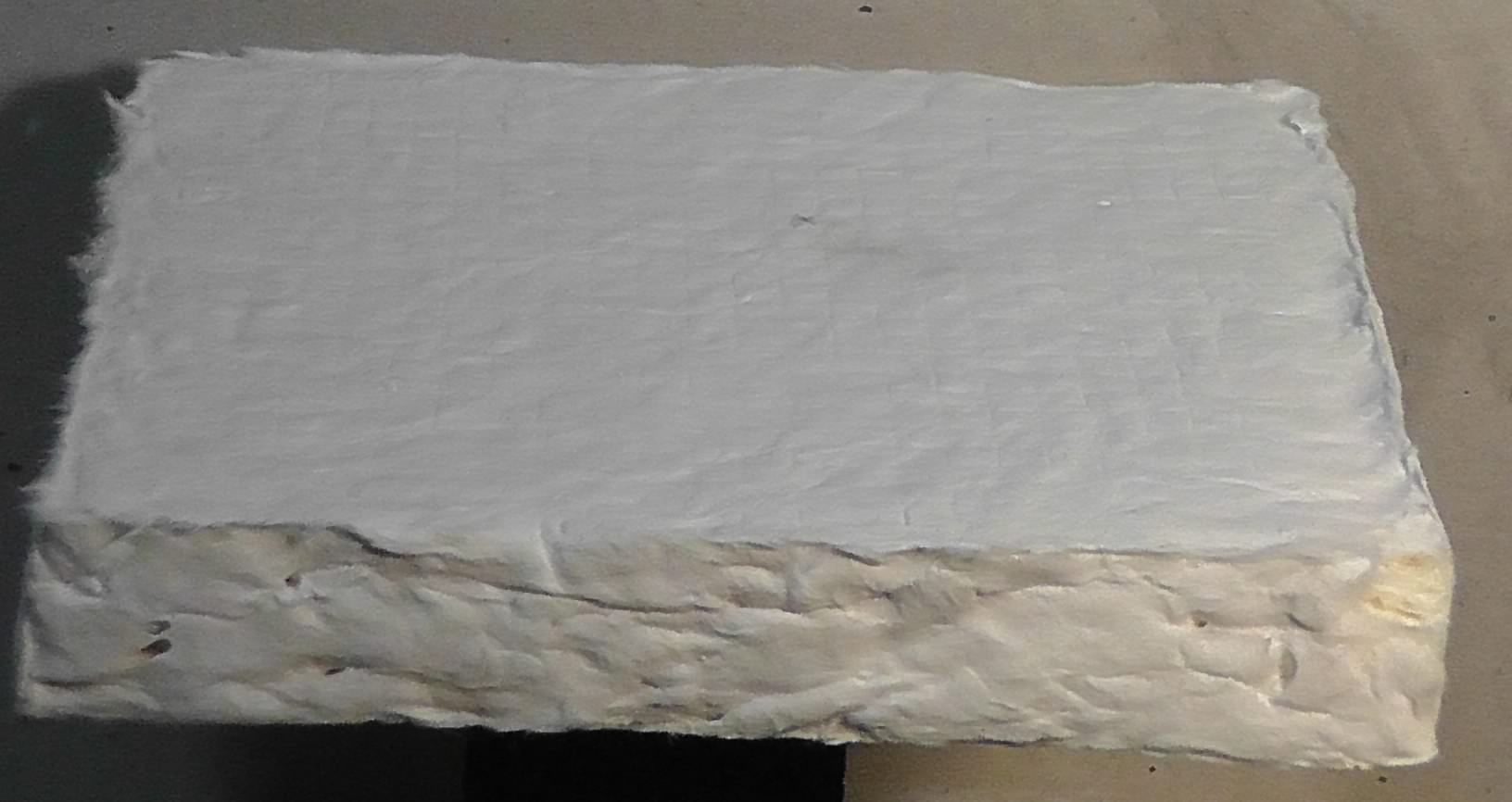
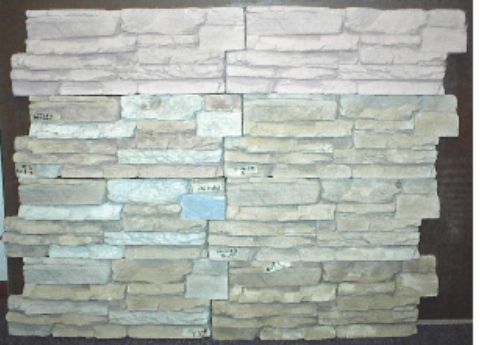
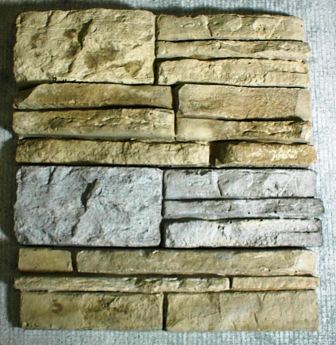
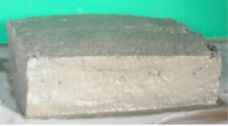
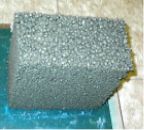
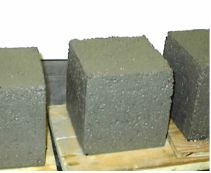
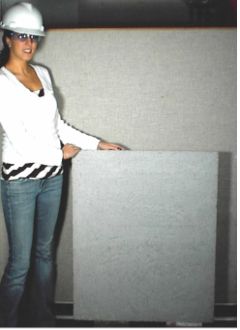
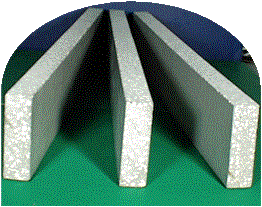
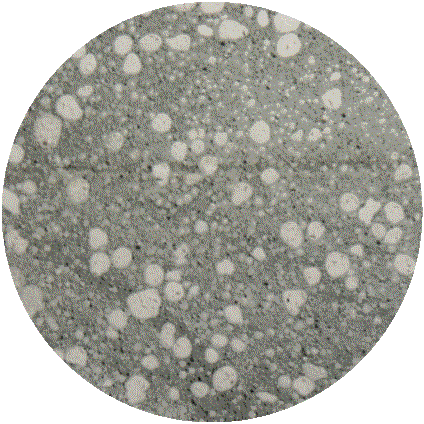
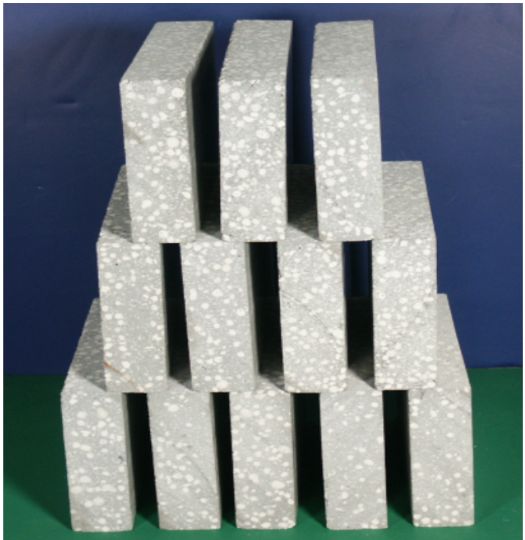
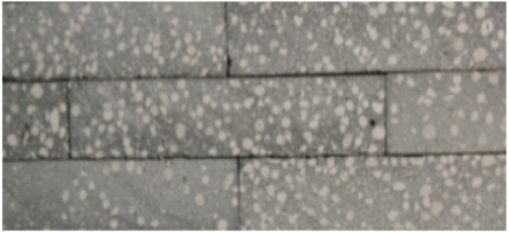
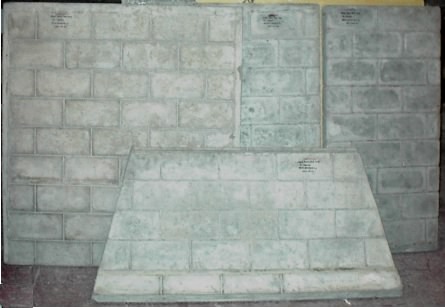
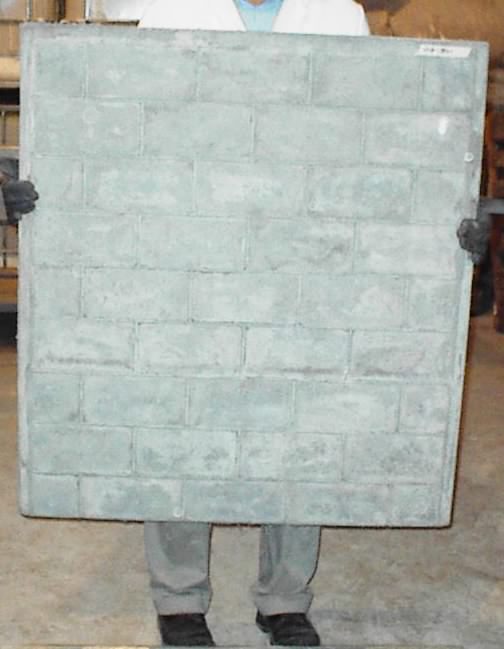
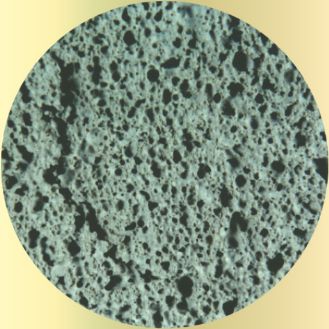
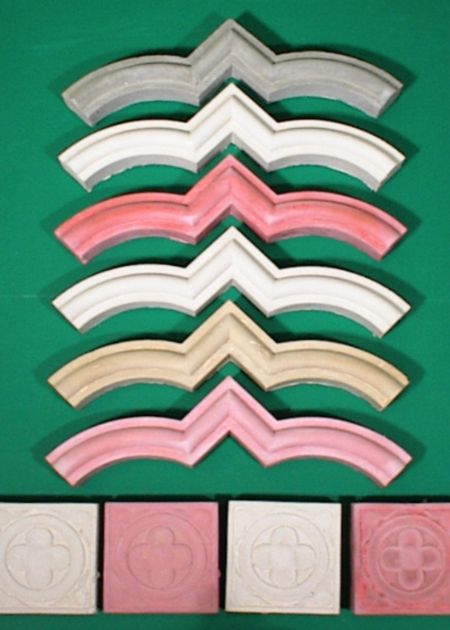
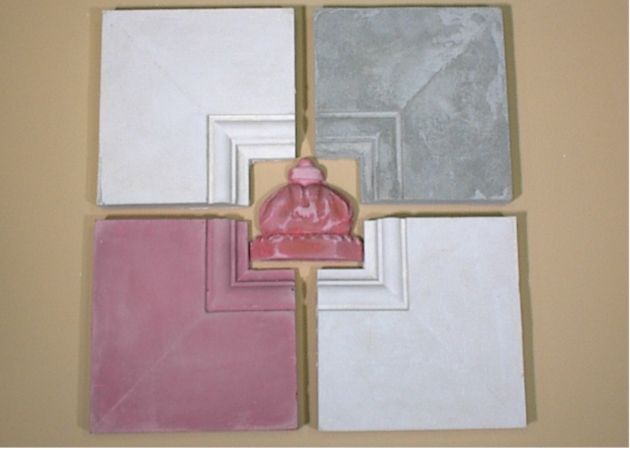
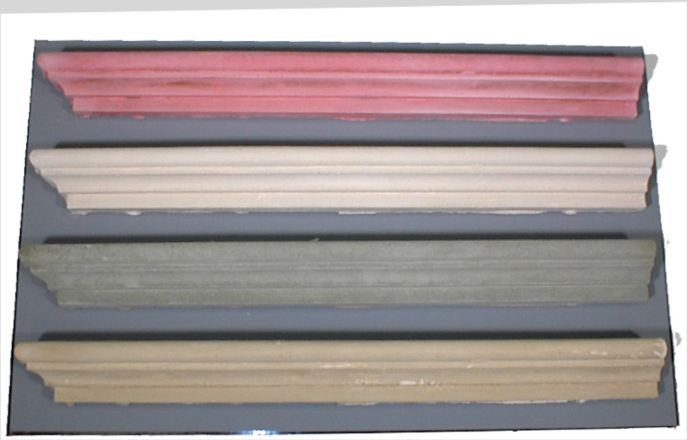
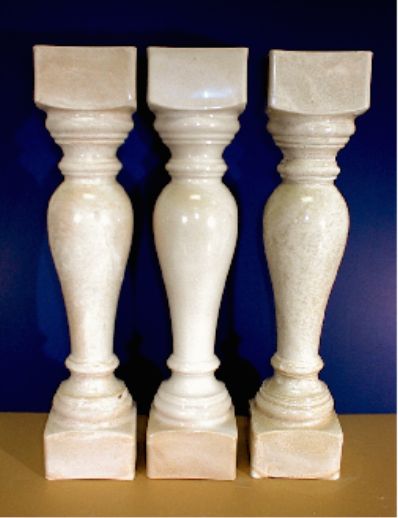
As shown in the pictures above, most of the surfactant and protein based foam cement have coarser textures and poor handling features caused by the limited foam stability in the composites. Such shortcomings become more serious at low densities where increased foam content is needed. Such weaknesses will prevent their usage in high end building materials such as decorative stones and roof/wall panels.
|
|
What a stable foam can do for the cement, concrete & BUILDING industries |
|
|
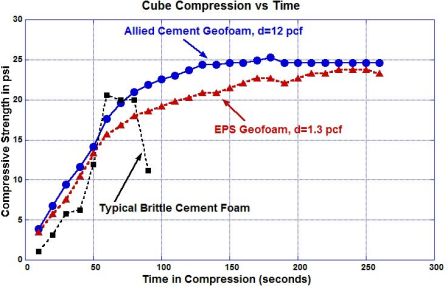
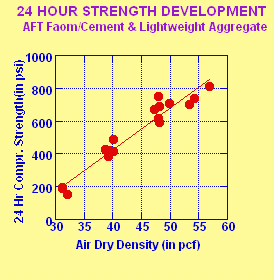
 Low early & 28 days strength
|
An earlier version oF
Allied foam cement operation video is available at
|
||||||||||||||||||||||
|
(* Please check our current webpages for the more updated innovations and technologies.) |
||||||||||||||||||||||
|
|
||||||||||||||||||||||
|
HIGHLIGHT (2014 Edison Award Winning Technology in an Industrial Application) |
||||||||||||||||||||||
|
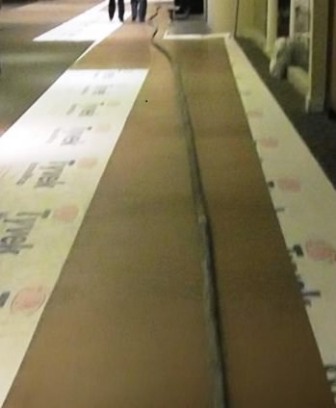
Example of Allied High Performance Foam Cement Grout for Floor Underlayment in a Shopping Mall |
||||||||||||||||||||||
| (New Store of a World Renowned Industrial/Commercial Conglomerate) | ||||||||||||||||||||||
| Great Adhesion, High Resiliency, Low Load per Unit Area | ||||||||||||||||||||||
 |
||||||||||||||||||||||
| SHOPPING MALLS, MULTI-FLOOR OFFICES, SCHOOLS, HOSPITALS, INDUSTRIAL FACILITIES AND MANY MORE | ||||||||||||||||||||||
|
||||||||||||||||||||||
 Per square foot load
increase can be less than 3 lbs. at 1 inch thickness Per square foot load
increase can be less than 3 lbs. at 1 inch thickness |
Great adhesion to
clean concrete base even without priming |
|||||||||||||||||||||
|
Unlike the conventional gypsum
based underlayment, Allied foam cement grout is exterior durable
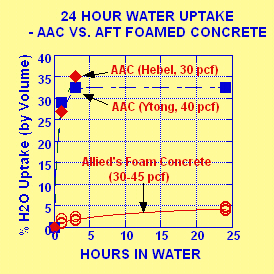
with low water absorption and excellent water resistance. |
Controllable slump that
allows ease of slope build-up or screed to level |
|||||||||||||||||||||
|
High tensile strength, good
vibration/crack resistance and
great adhesion to various load-bearing topping materials |
Typical dry densities from
30 - 40 pcf (480 - 650 kg/m3), ideal lightweight grout for fixing
uneven floors. |
|||||||||||||||||||||
|
Allied foam grout can be
pumped over several hundred feet while still maintains desired
performances |
Much more cost effective
and with significantly better sound and thermal insulations versus
conventional tile grout |
|||||||||||||||||||||


| HIGHLIGHT | ||||||||
| Landscape Architechture on the Roof - An application with allied low slump foam cement | ||||||||
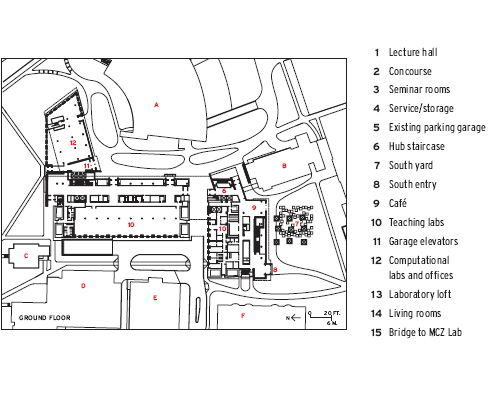
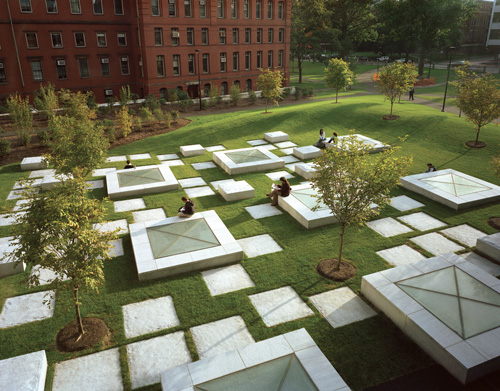
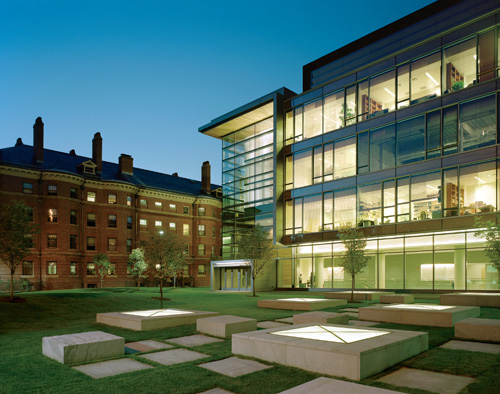
| HARVARD UNIVERSITY - NorthWest Science Building, 530,000 ft2 multidisciplinary research facility | ||||||||
| The World's 1st Low Slump Cement Geotechnical Roof Fill used Allied's Cement Composite Design, Foam Products & Machinery. | ||||||||
|
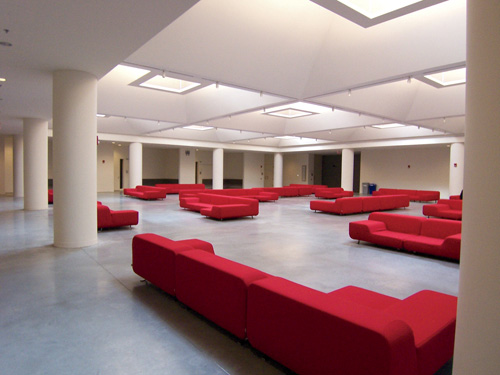
The award winning facility places more than half the total square footage of the facility below grade, and incorporates three functioning green roofs. The south façade of the Northwest Science Building defines a new South Yard, equipped with low landscape furniture. The yard is a green roof over extensive basement levels, with skylights bringing daylight into the underground areas. |
||||||||
|
||||||||
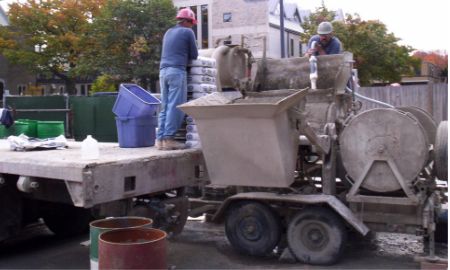
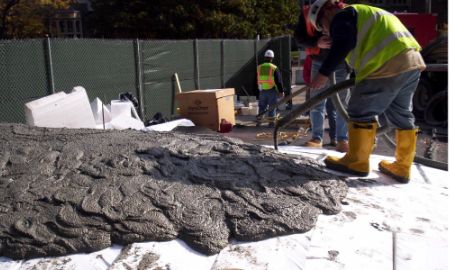
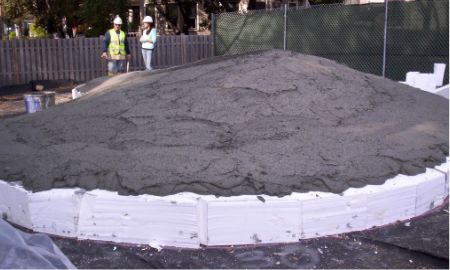
| (Pre-project mockup work by Allied Foam Tech is shown below) |
 |
 |
 |
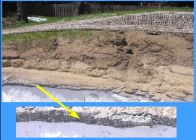 |
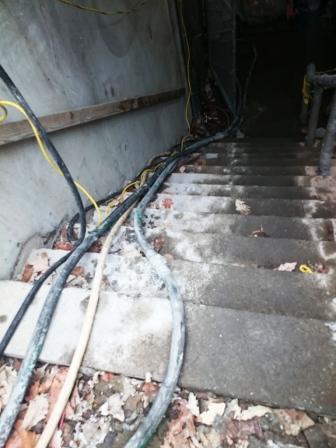
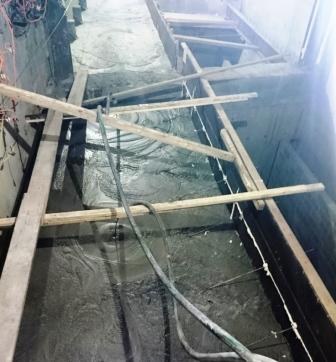
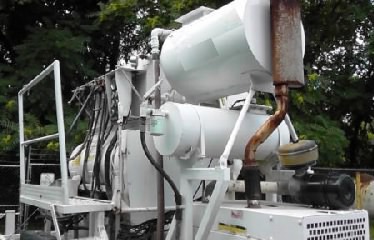
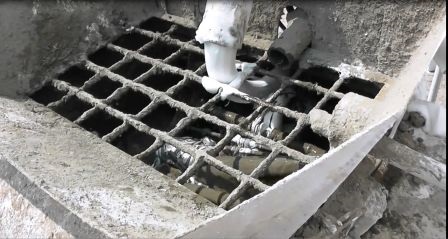
| Mixing & Pumping of High | Applying of High Slump Loss | Finished Foamed Cement Crown | Cross-section of |
| Slump Loss Foam Cement | Foam Cement on 1 Vertical/4 Horizontal Slope | On Highly Sloped Geofoam | Landscape after ~ 1 year |
| HIGHLIGHT | |||
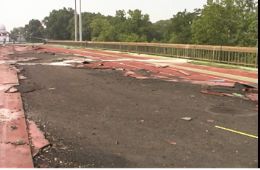
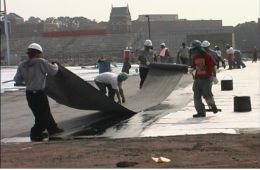
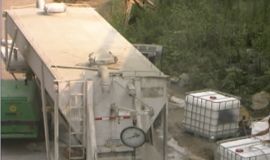
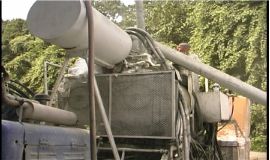
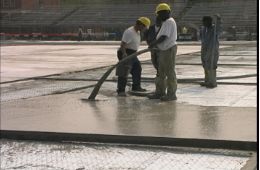
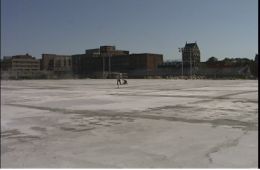
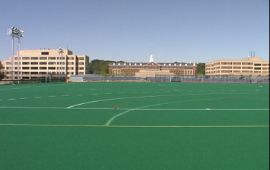
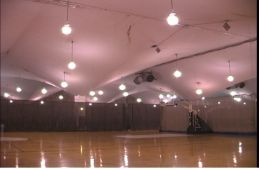
| Another example of low load pavement is shown by a recently renovated sports field on the roof of an existing gymnasium-120,000 square foot coverage with foamed cement pumped 3 stories high and 500 feet across the field. (the weight limit, compressive, shear and other performance demand and its intended use made the project one of its kind in the US roof deck industry.) | |||
|
GEORGETOWN UNIVERSITY - Roof Deck for Sports Utility |
|||
| Foam Sytem - AFT-450 series at 35 pcf (565 kg/m3) | |||
| Roof condition before | Roof preparation | Material Setup (20 ton cement bulker) | Equipment Setup (1 cubic Yard per Batch) |
 |
 |
 |
 |
| Pouring foam cement on the roof | Foam cement roofdeck | Turf application on the roof | Gym under the roof deck |
 |
 |
 |
 |
| HIGHLIGHT | ||||||||||||
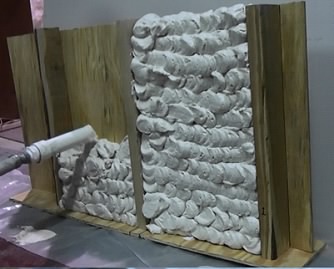
Allied water resistant 9 pcf (145
kg/m3) insulative foam cement - Click here for QuickTime
video
 Nov., 2014
 |
||||||||||||
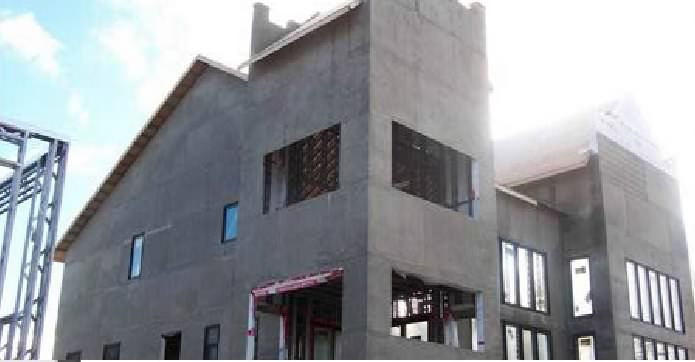
| NON-FLAMMABLE & SMOKE-FREE FOAM CEMENT WITH HIGH INSULATIVE FACTORS | ||||||||||||
| PROVIDING FIRE-SAFE EXTERIOR & INTERIOR INSULATIONS FOR INDUSTRIAL, COMMERCIAL, & RESIDENTIAL FACILITIES | ||||||||||||
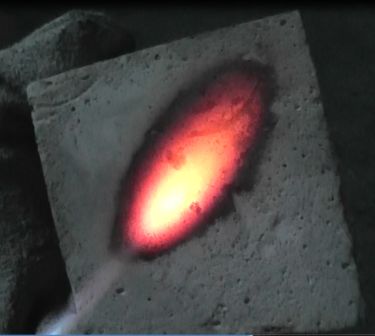
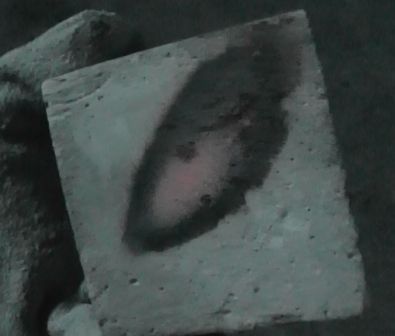
Unlike polyurethane or
polystyrene foams, Allied foam cement at < 8 PCF is
non-flammable, without fire retardant & smoke-free with excellent insulative
factors & ease of application
|
||||||||||||



|
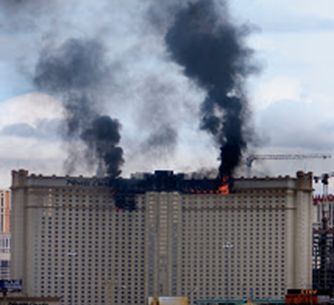
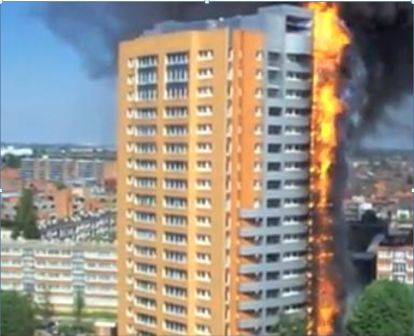
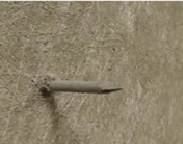
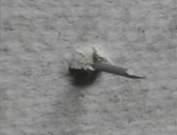
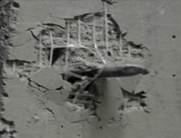
FIRE HAZARD & TOXIC FUME RELEASE OF CONVENTIONAL FOAM INSULATIONS |
||
 |
 |
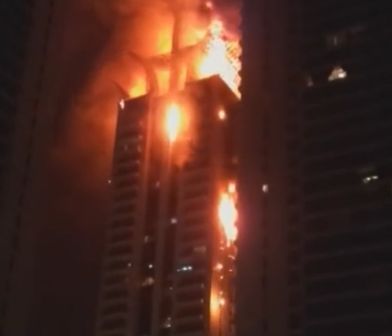 |
| Las Vegas, 2008 | France, 2012 | Dubai, 2012 |
| Welder triggered PU foam fire |
Foam insulation accelerated fire |
Foam/metal panel accelerated fire |
| ||||||||||||||||||||||||||||||||||||||||||||||||||||||||||||||||||||||||||||||||||||||||||||||||||||||||||||||||||||||||||||||||||||||||||||||||||||||||||||||||||||||||||||||||||||||||||||||||||||||||||||||||||||||||||||||||||||||||||||||||||||||||||||||||||||||||||||||||||||||||||||||||||||||||||||||||||||||||||||||||||||||||||||||||||||||||||||||||||||||||||||||||||||||||||||||||||||||||||||||||||||||||||||||||||||||||||||||||||||||||||||||||||||||||||||||||||||||||||||||||||||||||




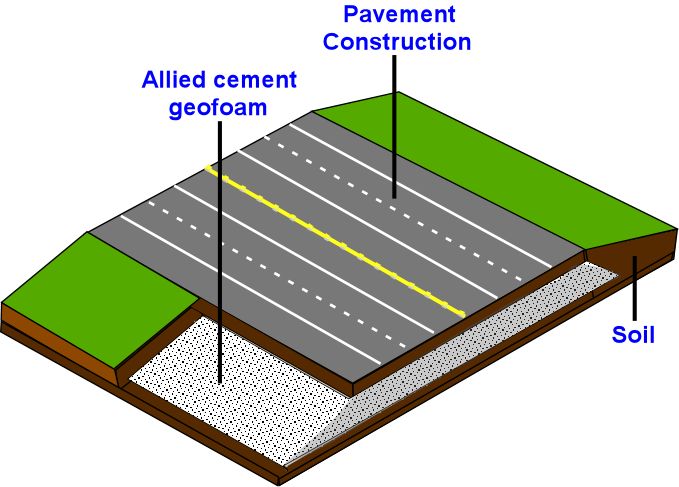
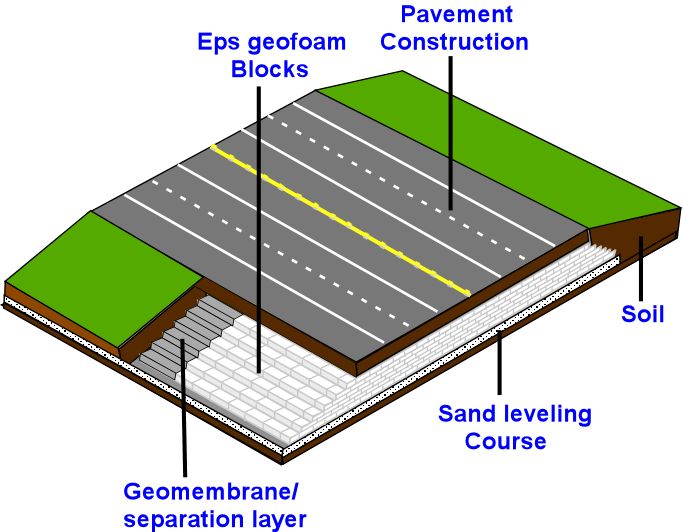 >
>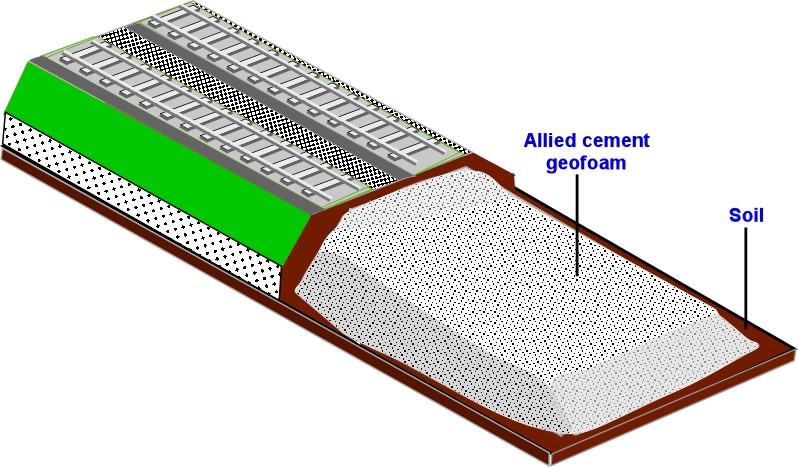 >>
>>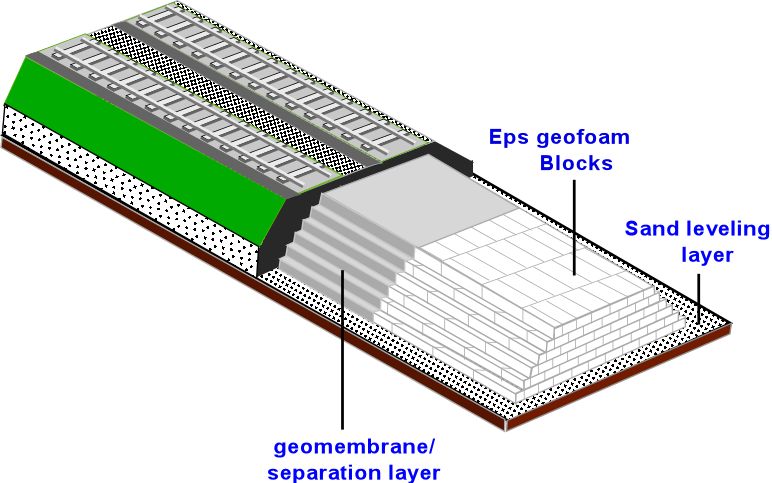 >
>
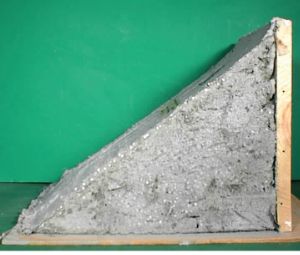
 Very limited slope
negotiation for conventional cellular concrete – less than
˝ inch drop per 10 feet span.
Very limited slope
negotiation for conventional cellular concrete – less than
˝ inch drop per 10 feet span.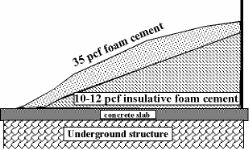
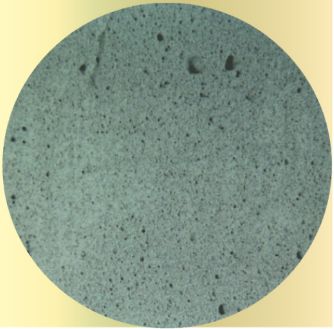
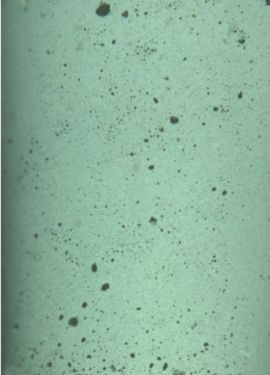 uniform &
fine texture
uniform &
fine texture
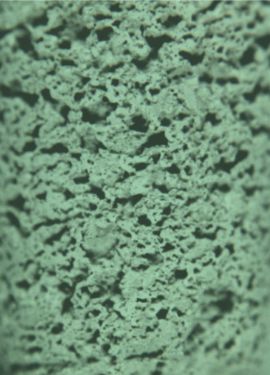 non-uniform & coarse
texture
non-uniform & coarse
texture

 slope building