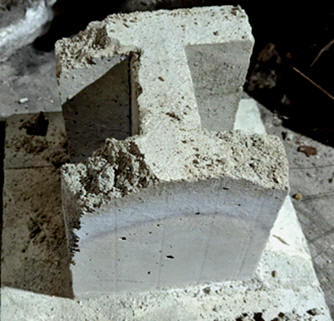
Fire Barrier Foam
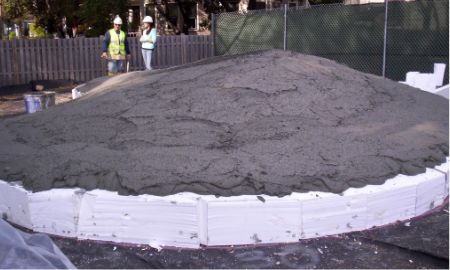
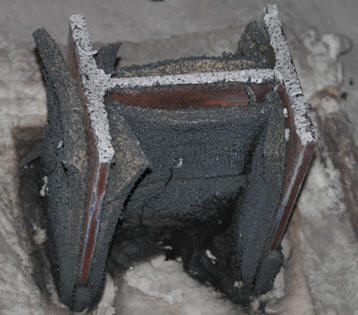
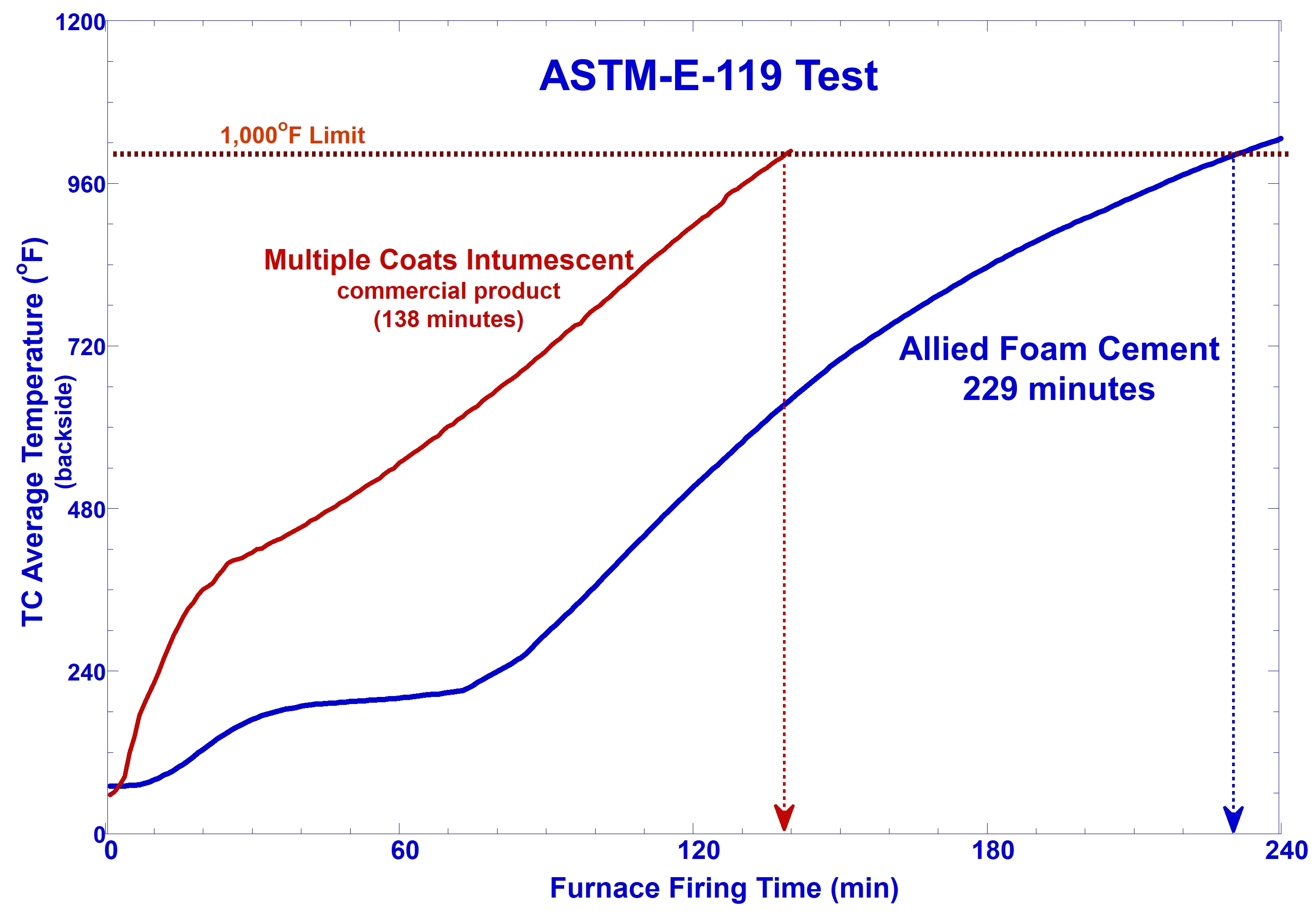
Highest fire barrier rating per ASTM-E119 — vermiculite-free and non-hazardous. Cast as panels or sprayed directly onto steel, it protects an A36 H-beam for 4 hours to 2,000°F.
Tested on identical A36 steel H-beams by a major thermal testing laboratory.


Allied fire barrier panels and boards show the highest compressive and bending strengths versus autoclaved and cast-in-place foam cement products, all measured at 35 pcf.
| Cement Composite | Cure Condition | Density | Compressive Strength | Bending Strength |
|---|---|---|---|---|
| AFT Fire Barrier Foam I | Room temp. | 35 pcf | 900 – 1,000 psi | 370 – 500 psi |
| AFT Fire Barrier Foam II | Room temp. | 35 pcf | 650 – 750 psi | 300 – 350 psi |
| AFT Portland Cem I/II | Room temp. | 35 pcf | 400 – 450 psi | 100 – 200 psi |
| Autoclaved Concrete | Autoclaving | 35 pcf | 600 – 700 psi | ~100 psi |
Values as published by Allied Foam Tech. Fire Barrier Foam I leads both compressive and bending strength at equal density.
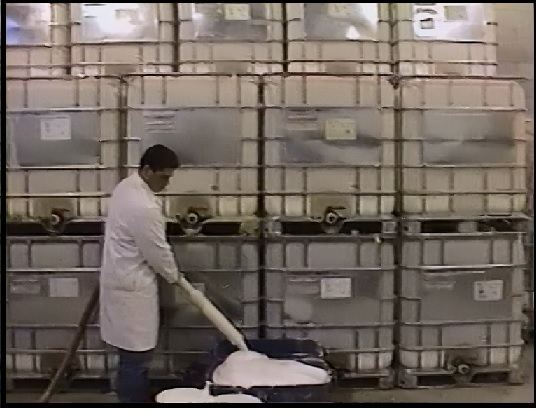
All foam products are supplied in concentrated form, available in 55-gallon drums or totes. Foam generators output from a few liters to hundreds of liters per minute.
90 pcf down to 3 pcf for geotechnical engineering, landscape architecture, roof decks, panels, partitions, blocks, and cinder-block inserts.
Open and closed-pore structure similar to urethane and polystyrene foams — without their poor fire resistance, and with outdoor durability and cost advantage.
Strength and thermal-shock resistance for durable firebricks used as high-performance insulation in kilns and incinerators.
Flexible, under 1.5 pcf, reaching R > 3.8 per inch with strong fire resistance.
Specially formulated foam used as a long-duration firefighting barrier for the containment of forest fires.
Controlled film thickness with improved resin distribution; foamed adhesives reduce consumption and prevent absorption by porous substrates.